
Dental Bridges in Ellicott City, MD: Restoring Missing Teeth with Stability
What Are Dental Bridges?
Dental bridges help replace one or more missing teeth by securing an artificial tooth between adjacent teeth or implants. This restoration helps maintain proper spacing while supporting normal chewing and speech. Patients exploring dental bridges in Ellicott City often consider this option to close gaps and maintain a balanced bite without leaving spaces untreated.
Why Replacing Missing Teeth Is Important
When a tooth is gone, surrounding teeth can gradually shift into the open space, which may affect alignment and bite function. Over time, this movement can create uneven pressure during chewing. Seeking treatment such as dental bridges near you helps preserve spacing and maintain stability within the dental arch. Addressing missing teeth early reduces the likelihood of additional structural changes.
Types of Dental Bridges

Traditional Dental Bridge
A traditional bridge relies on crowns placed over the teeth adjacent to the gap. The artificial tooth is positioned between these crowns and fixed securely. Patients choosing dental bridges in Ellicott City often consider this approach due to its durability and ability to blend with natural teeth.

Maryland Dental Bridge
A Maryland bridge uses a thin framework, typically metal or porcelain, attached to the back surfaces of nearby teeth. This design avoids placing crowns on supporting teeth and may be considered when preserving tooth structure is a priority.

Cantilever Dental Bridge
A cantilever bridge is considered when only one neighboring tooth is available for support. The replacement tooth is anchored to a single crown. This method is generally used in areas with lower biting pressure.

Implant-Supported Bridge
Implant-supported bridges depend on dental implants instead of natural teeth. This option involves placing implants into the jawbone through a surgical procedure. It provides added stability and may last longer compared to other bridge types.
Dental Bridge vs. Dental Implant
Choosing between a bridge and an implant is influenced by factors including bone density, oral health, and treatment goals. Patients searching for dental bridges near me may consider bridges when a non-surgical option is preferred or when treatment timing is a concern. Implants offer a longer-term alternative but involve additional procedures and healing time.
A dental evaluation helps determine which option aligns best with individual needs.
The Dental Bridge Procedure
- Initial Evaluation
Treatment starts with a detailed examination of the teeth and surrounding structures to determine suitability for a bridge.
- Tooth Preparation
For traditional bridges, the teeth next to the gap are shaped to support crowns. This step ensures the restoration fits securely.
- Impressions and Design
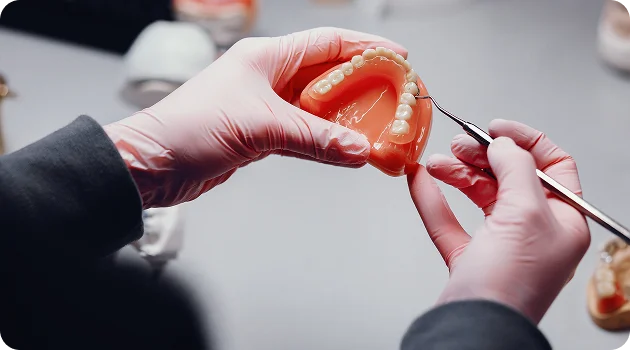
Digital scans or impressions are utilized to create a bridge that matches the size, contour, and color of the surrounding teeth.
- Placement and Adjustment
Once fabricated, the bridge is positioned and adjusted to align properly with the bite and surrounding teeth.
Benefits of Dental Bridges
Dental bridges offer both functional and structural advantages. Common outcomes include:
- Improved ability to chew efficiently
- Better clarity while speaking
- Prevention of unwanted tooth movement
- Restoration of a complete smile
- Support for facial structure over time
These results contribute to both oral stability and everyday comfort.
What to Expect After Getting a Bridge
Following placement, it can take a short period to adapt to the new restoration. Mild sensitivity or awareness is common initially but usually subsides as the mouth adjusts. Maintaining daily oral hygiene supports the performance of the bridge.
How Long Do Dental Bridges Last?
Dental bridges can remain functional for many years when properly maintained. Their longevity is influenced by oral hygiene habits, diet, and routine dental visits. Regular evaluations help monitor the condition of the bridge and surrounding teeth.
How to Care for a Dental Bridge
Proper care supports the durability of a dental bridge. Patients looking for dental bridges near me are often encouraged to:
Brush twice daily using a soft-bristled toothbrush
Clean beneath the bridge using floss or specialized tools
Limit very hard or sticky foods
Maintain consistent dental checkups
These habits help protect both the restoration and natural teeth.

Why Choose Excel Dental Care?
At Excel Dental Care, restorative treatments are planned based on each patient’s dental condition and long-term goals. Patients considering dental bridges in Ellicott City can expect:
- Thorough evaluation before treatment
- Custom-designed restorations
- Use of durable, tooth-colored materials
- A supportive and professional setting
The focus is on restoring missing teeth while maintaining comfort and function.
FAQs
They are long-lasting but may require replacement over time depending on wear.
Yes, they are designed to match the appearance of surrounding teeth.
Local anesthesia is used to maintain comfort during the process.
Yes, most patients return to normal eating habits after a short adjustment period.
A dental evaluation determines whether a bridge is appropriate for your condition.
Schedule Your Dental Bridge Consultation
Replacing missing teeth supports oral stability and daily function. If you are searching for dental bridges near me, our team is here to assist you. Book an appointment today to discuss your options.